








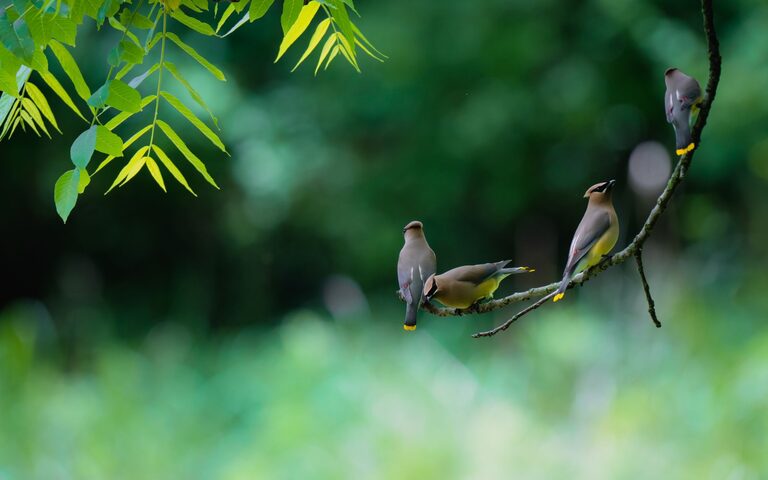
Birdwatching in your own backyard is a relaxing and rewarding way to connect with nature. Whether you have a large garden or just a small balcony, observing birds can bring beauty and calm to your daily routine. If you’re new to birdwatching, this guide offers friendly and practical tips to help you get started.
Why Backyard Birdwatching?
Birdwatching requires no special equipment or expertise, making it an accessible hobby for all ages. Watching birds helps boost mindfulness, reduces stress, and encourages a greater appreciation for the environment. Plus, it’s exciting to learn about the different species that visit your area.
Getting Started: What You Need
1. Choose the Right Spot
Pick a quiet area in your yard or balcony where birds can visit without too much disturbance. A place near trees or shrubs is ideal because birds often seek shelter and food there.
2. Invest in Basic Equipment
– Binoculars: A simple pair of binoculars can enhance your viewing experience, allowing you to see birds up close.
– Field Guide or App: Use a bird identification book or a smartphone app to help recognize different species.
– Notebook or Journal: Keep a record of the birds you see, noting their colors, behaviors, and times of visit.
3. Set Up Bird Feeders and Baths
Providing food and water attracts birds to your backyard. Here are some tips:
– Use feeders suitable for the local bird species.
– Offer a variety of feed, such as seeds, suet, or nectar.
– Clean feeders and bird baths regularly to keep birds healthy.
– Place feeders where you can watch comfortably but are not too close to scare the birds away.
Understanding Bird Behavior
Learning about bird behavior helps you better predict when and where birds will visit:
– Birds are most active early in the morning and late afternoon.
– They often visit feeders after sunrise and before sunset.
– Different species have unique feeding habits and preferences.
Tips for Successful Birdwatching
1. Be Patient and Quiet
Birds can be shy. Staying still and keeping noise to a minimum increases your chances of close sightings.
2. Use Natural Camouflage
Wearing neutral colors and avoiding sudden movements help you blend into the environment.
3. Observe Without Disturbing
Keep a respectful distance and avoid touching nests or disturbing birds, especially during breeding season.
4. Learn to Identify Birds
Focus on key features such as size, color patterns, beak shape, and song. Apps with bird calls can assist in identification.
Enhancing Your Backyard Habitat
Creating a bird-friendly yard attracts more visitors:
– Plant native trees, shrubs, and flowers that provide food and shelter.
– Leave some leaf litter and dead wood for insects, which many birds eat.
– Avoid using pesticides to protect the birds and their food sources.
– Provide nesting boxes suitable for local bird species.
Joining the Birdwatching Community
Connecting with other birdwatchers can enrich your experience:
– Join local birdwatching clubs or online forums.
– Participate in citizen science projects and bird counts.
– Share your sightings and learn from others.
Final Thoughts
Backyard birdwatching is an enjoyable and accessible hobby that invites you to slow down and appreciate the small wonders of nature. With a little preparation and patience, you’ll soon find yourself recognizing and enjoying the feathered visitors in your own outdoor space.
Happy birdwatching!